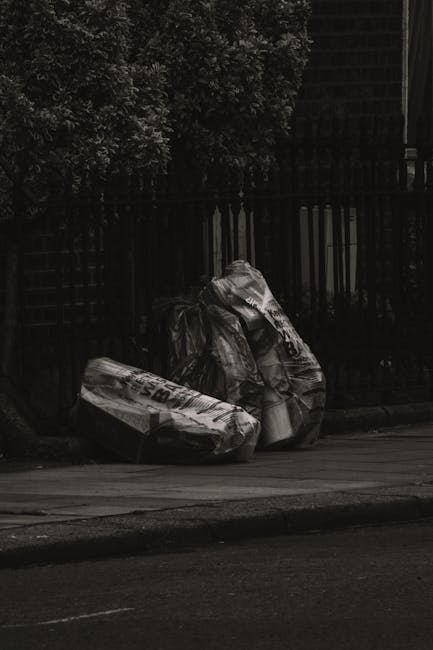
Wanstead Park bulky waste pickup real cost and options
If you are trying to clear a sofa, mattress, wardrobe, broken appliance, or a pile of mixed household junk, the first question is usually the same: what is the real cost, and what are the options that actually make sense in Wanstead Park? That is a fair question. Bulky waste sounds simple until you start comparing council collection, private pickup, skip hire, and doing it yourself. Then the numbers, timing, access issues, and disposal rules all start to matter.
This guide breaks down Wanstead Park bulky waste pickup real cost and options in plain English. You will get a practical view of how pricing is usually worked out, what affects the final bill, when a same-day collection can save time, and when a cheaper route is not really cheaper at all. Let's face it, nobody wants a cluttered hallway, a lift booking that goes nowhere, or a quote that changes the minute the team arrives.
We will also cover common mistakes, best-practice planning, and the kind of details that save stress on the day. If you want a broader service overview while you compare routes, it can also help to look at waste removal options and the site's pricing and quotes information.
Table of Contents
- Why Wanstead Park bulky waste pickup real cost and options Matters
- How Wanstead Park bulky waste pickup real cost and options Works
- Key Benefits and Practical Advantages
- Who This Is For and When It Makes Sense
- Step-by-Step Guidance
- Expert Tips for Better Results
- Common Mistakes to Avoid
- Tools, Resources and Recommendations
- Law, Compliance, Standards, or Best Practice
- Options, Methods, or Comparison Table
- Case Study or Real-World Example
- Practical Checklist
- Conclusion
- Frequently Asked Questions
Why Wanstead Park bulky waste pickup real cost and options Matters
Bulky waste is one of those tasks that looks small on paper and becomes awkward fast. A single armchair is manageable. A two-door wardrobe, a disassembled bed frame, and a fridge freezer in a first-floor flat? Different story. The real cost is not only the invoice. It is also the time you spend carrying items, the risk of damaging walls or stairs, the effort of booking the right vehicle, and the hassle of finding a legal disposal route.
In Wanstead Park, practicality matters. Some homes have tighter access, shared entrances, narrow hallways, controlled parking, or upper-floor flats. That makes pickup logistics more important than people expect. A cheap option can become expensive if it needs a second trip, an awkward wait window, or extra handling on the spot. The "real cost" is the total cost to get the job fully done.
There is also a trust angle. With bulky waste, you want to know who is taking the items, where they are likely to go, and whether anything recyclable can be diverted away from landfill. Many people are also looking for a cleaner, faster option than DIY trips to a reuse centre or repeated loads into a family car. Fair enough. Most of us would rather have the space back than spend a Saturday doing van-load archaeology.
Expert summary: the cheapest bulky waste pickup is not always the best value. The right choice depends on item type, access, urgency, volume, and whether you need a full-service collection or just a straightforward lift-and-load.
How Wanstead Park bulky waste pickup real cost and options Works
Bulky waste pickup usually falls into one of three broad routes: local authority collection, private waste collection, or skip hire. Each route handles the job differently, and that affects both price and convenience.
Council-style collection
This is often the low-cost option if your items qualify and you are happy with the collection schedule. The cost is usually tied to the number of items, the type of item, and booking availability. It can work well for a single sofa or a couple of larger household pieces, but it is not always the fastest route. You may need to wait for a slot, follow strict item rules, and put everything in an accessible place.
Private bulky waste pickup
A private collection is usually the most flexible. Pricing is often based on volume, weight, number of items, labour required, and disposal category. The team may collect from inside the property, which is especially useful for flats, lofts, garages, and properties where lifting things to the kerb would be a pain. This is where services linked to house clearance, flat clearance, or furniture disposal can be relevant if the job is bigger than a single item.
Skip hire
Skip hire works best when you have space to place the skip and enough waste to justify it. It can be cost-effective for ongoing projects, but it is not always ideal for one-off bulky pickups. You may need permits if the skip goes on the road, and you still need to load it yourself. That is fine for some people. For others, it is one more task on an already long list.
The real cost is shaped by a few practical factors:
- Item size and weight: a mattress costs less to shift than a heavy wardrobe with glass doors.
- Access: ground-floor pickup is simpler than carrying items down tight stairs.
- Urgency: same-day or next-day availability usually changes the price.
- Special handling: appliances, sharps, or hazardous items may need extra care.
- Loading labour: if the team has to remove items from indoors, that is part of the value.
- Disposal route: recyclable, reusable, and mixed waste all have different processing needs.
If you are clearing mixed items, it is worth checking what can and cannot be accepted. The page on what can go in a skip is useful for understanding the general split between acceptable materials and items needing separate treatment.
Key Benefits and Practical Advantages
When bulky waste pickup is done well, the benefits are immediate. Space returns. The house feels calmer. The hallway is no longer acting like a storage unit for a broken bed you meant to sort out three months ago. It sounds basic, but that relief is real.
Here are the main advantages people notice:
- Speed: a good pickup can clear items in one visit, sometimes the same day.
- Less physical strain: no dragging furniture down stairs or trying to fit it into a car you definitely should not be overloading.
- Better access support: useful for flats, upper floors, or awkward entrances.
- Cleaner end result: a team that removes everything leaves you with a proper usable space, not half a job.
- More predictable disposal: reputable operators tend to sort items properly and route them for reuse or recycling where possible.
There is also the emotional benefit, which people do not always mention. Clearing bulky waste makes a room feel finished again. You can hear it in the space, if that makes sense - less echo, less clutter, less visual noise. Small thing, big impact.
For furniture-heavy clearances, it can be worth comparing the broader services around furniture clearance and mattress and sofa disposal. Those pages help when the job is mostly one category of item rather than general waste.
Who This Is For and When It Makes Sense
Wanstead Park bulky waste pickup real cost and options matter most when you need a practical fix, not a theoretical one. The people who usually benefit are:
- homeowners replacing old furniture after a move or refurb
- tenants clearing out a flat before checkout day
- landlords dealing with leftover items after a tenancy
- families clearing a garage, loft, or spare room
- small businesses removing office furniture or surplus stock
- people with mobility limits who cannot shift large items themselves
It also makes sense when the waste is too bulky for normal bin collections but not quite enough to justify a large skip. That middle ground is where a pickup service tends to shine. You know the sort of job: one sofa, a washing machine, a broken chest of drawers, and maybe a couple of old office chairs. Not massive. Not tiny either. Just annoying enough.
For larger or more mixed clearances, these related services may fit better than a one-off pickup: home clearance, garage clearance, loft clearance, and office clearance.
Step-by-Step Guidance
If you want the smoothest possible pickup, a little planning goes a long way. Here is the practical sequence that tends to work best.
- List the items clearly. Write down what needs removing, including approximate size, whether it breaks down, and if anything is unusually heavy.
- Check access. Note stairs, lifts, parking constraints, narrow hallways, or a long carry to the vehicle.
- Separate special items. Keep appliances, mattresses, or anything potentially hazardous away from general furniture.
- Ask for a clear quote. Make sure the price covers loading, labour, and disposal, not just collection.
- Confirm the timing. A tight window reduces stress. Vague "sometime Tuesday" bookings can become a headache.
- Prepare the items. Empty drawers, remove loose contents, and clear a path to the exit.
- Do a final walk-through. Check cupboards, under beds, behind doors, and in the garden before the team leaves.
A quick real-world example: if you are clearing a bedroom in Wanstead Park and the wardrobe does not fit through the door intact, it helps to know that before collection day. One missing measurement can turn a straightforward pickup into a mildly ridiculous twenty-minute puzzle. Been there, seen it.
If you want a broader removal route rather than a single-item pickup, the site's book online option can be a practical next step, especially when you already know the scope of the job.
Expert Tips for Better Results
A few habits can reduce cost and improve the overall experience. These are the things that usually make the biggest difference.
- Group items by type. Furniture, appliances, and mixed junk are easier to price when they are not all tangled together.
- Take photos before booking. Clear photos from a few angles help avoid pricing surprises. Good light helps too; a dim hallway makes everything look deceptively small.
- Measure awkward items. Especially wardrobes, desks, fridges, and corner sofas. Those are the usual troublemakers.
- Check whether items can be reused. If something is still in decent condition, a provider with a sustainability focus may be able to sort it appropriately.
- Be honest about access. If there is no parking nearby or the lift is out, say so. That protects both sides.
One practical tip that saves grief: clear your own keep piles before the team arrives. Otherwise, "this stays" and "this goes" can blur in the chaos, and suddenly your favourite lamp is heading for the truck. Not ideal.
For extra peace of mind around handling and site safety, it can be worth reading the company's pages on insurance and safety and health and safety.
Common Mistakes to Avoid
The most expensive bulky waste jobs are often the ones that started with "it should be simple." A few avoidable mistakes come up again and again.
- Assuming all bulky waste is priced the same. A sofa, a mattress, and a fridge can each sit in different handling categories.
- Forgetting access fees or extra labour. If the collection is from a top floor with no lift, expect that to be reflected somehow.
- Leaving items mixed together. This makes sorting harder and can slow down removal.
- Not checking what is excluded. Some items need separate handling, particularly anything hazardous or specialist.
- Choosing the cheapest quote without checking what it includes. That is the classic one. Cheap on paper, awkward in real life.
Another mistake is waiting until the last minute. If you are moving out, post-renovation, or preparing a property for handover, urgency tends to inflate cost and lower your options. Give yourself breathing room if you can. It is a small favour to your future self.
Tools, Resources and Recommendations
You do not need special tools to arrange bulky waste pickup, but a few simple resources make the process easier and more accurate.
- Phone camera: use it to capture every item from front and side angles.
- Measuring tape: essential for sofas, appliances, beds, and anything that might not fit through a doorway.
- Notebook or notes app: keep a short list of items, access details, and any dates that matter.
- Packaging tape or labels: useful if you are separating keep items from remove items during a house clear-out.
- Payment check: make sure you understand the payment method and whether card processing is available.
For broader context on service standards and what a professional waste collection should look like, the pages on recycling and sustainability and payment and security are useful. They help set expectations around responsible disposal and straightforward checkout.
Law, Compliance, Standards, or Best Practice
Bulky waste handling in the UK is not just a logistics issue. It also touches duty of care, responsible disposal, and safe handling. You do not need to become an expert in waste regulations just to get rid of a sofa, but it helps to know the basic principles.
In plain terms, the provider should handle waste responsibly, transport it lawfully, and avoid dumping or poor sorting. Customers should be careful not to hand over restricted items without checking they can be accepted. If a collection includes appliances, electrical items, or anything that could be classified as hazardous, it may need separate handling. That is normal. No drama, just the right process.
Best practice also means clear communication on the day of collection. The team should know what is being removed, whether there are stairs or parking restrictions, and if any item needs special care. If you are disposing of household furniture, especially in mixed clearances, using the right service category matters. For example, fridge and appliance removal is different from general furniture disposal, and hazardous waste disposal should always be handled separately.
For business users, there is an extra layer of expectation around traceability and responsible waste management. The page on business waste removal is a useful reference if your bulky waste includes office furniture, stock, or equipment from a commercial site.
Options, Methods, or Comparison Table
Here is a straightforward comparison of the main choices. Real-life suitability matters more than theory, so think about the actual job in front of you.
| Option | Best for | Typical strengths | Possible drawbacks |
|---|---|---|---|
| Council bulky waste pickup | One or two qualifying household items | Often cost-effective, simple for small jobs | Less flexible timing, item restrictions, may need outdoor placement |
| Private bulky waste collection | Mixed items, indoor removals, urgent bookings | Fast, flexible, labour included, better for awkward access | Can cost more than council collection for a simple job |
| Skip hire | Ongoing renovation waste or large volumes | Useful if you are loading over time, good for project work | Space needed, possible permit, self-loading required |
| DIY van trip | Very small loads and confident hauliers | Low cash cost if you already have transport | Time, lifting, fuel, disposal fees, and personal effort add up quickly |
For many Wanstead Park households, a private pickup sits in the sweet spot: cheaper than overbuying a skip, much easier than multiple DIY trips, and far less fiddly than trying to juggle council timing. But if you are only getting rid of one item and you are not in a rush, a scheduled collection can still be the sensible choice. It really depends on the job.
Case Study or Real-World Example
Picture a fairly typical scenario. A family in Wanstead Park is getting a spare room ready for a new use. There is an old double mattress, a dismantled wardrobe, two broken bedside tables, and a small fridge that stopped working months ago and has been quietly taking up space ever since.
At first glance, the job seems like a simple furniture pickup. But the details matter. The mattress is bulky but light. The wardrobe is awkward because the panels are long. The fridge needs appliance handling. The room is on the first floor, and there is a narrow landing by the stairs. If the family had chosen the wrong option, they might have ended up with a cheap collection that did not cover the appliance, or a skip that they would still have to load themselves.
Instead, they list the items clearly, take a few photos, mention the stairs and parking, and ask for a full quote. The team arrives with the right vehicle, removes the lot in one visit, and the room is usable again by lunchtime. That is the kind of result people actually want. Nothing fancy. Just done properly.
In mixed household clearances, services like home clearance and furniture clearance can be a better fit than treating every item as a separate one-off job.
Practical Checklist
Use this checklist before you book. It keeps things simple and cuts down on back-and-forth.
- Make a list of every bulky item
- Separate furniture, appliances, and special waste
- Take clear photos in good light
- Measure large or awkward items
- Check stair, lift, and parking access
- Confirm whether items will be collected from inside or outside
- Ask what the quote includes
- Check whether the job is one-off or better as a clearance
- Remove personal items from drawers, cupboards, and shelves
- Confirm the date, arrival window, and payment method
- Keep pathways open on the day
- Do a final room check before the team leaves
If you are preparing a bigger property clearance, the connected services for garage clearance, loft clearance, and office clearance can help you frame the job more accurately from the outset.
Conclusion
The real cost of Wanstead Park bulky waste pickup is not just the number on the quote. It is the whole picture: time saved, labour included, access issues handled, and the peace of mind that the job will actually be finished. For a small, simple load, a basic collection might be enough. For awkward furniture, mixed items, or properties with tight access, a more flexible pickup often turns out to be better value. Strange as it sounds, paying a little more can sometimes cost less overall because it avoids delays, extra trips, and a lot of faff.
The best option is the one that fits your items, your timetable, and your space. Keep the booking clear, be honest about access, and choose the route that gets your home or business back to normal without unnecessary stress. That is usually the winning move.
Get a free quote today and see how much you can save.
If you are ready to make space again, start with the simplest route that suits your situation. A clear plan today makes for an easier, calmer tomorrow.
Frequently Asked Questions
How much does bulky waste pickup usually cost in Wanstead Park?
The cost depends on the item type, volume, access, and how quickly you need it removed. A single straightforward item is usually cheaper than a mixed load that needs indoor collection and extra labour.
What counts as bulky waste?
Bulky waste is generally large household or business items that will not fit in normal bins. That often includes sofas, beds, wardrobes, tables, mattresses, and some appliances.
Is council bulky waste collection cheaper than private pickup?
Often yes for a very small job, but it may be less flexible and less suitable for awkward access or urgent removals. Private pickup can offer better value when labour, speed, and convenience matter more.
Can you collect items from inside a flat or upstairs room?
Many private collections can, and that is one of their main advantages. It is always best to confirm access details before booking so the quote reflects the real job.
Do I need to move items outside before pickup?
Not always. Some services collect from inside, which can be helpful if you are dealing with heavy items or limited mobility. If outdoor placement is required, make sure you know that in advance.
What happens to the bulky waste after collection?
It is usually sorted for reuse, recycling, or disposal depending on the material and condition of the items. Responsible handling is part of a good service, and it should not be left vague.
Are mattresses, sofas, and fridges charged differently?
Yes, they can be. Mattresses, upholstery, and appliances often need different handling, so the type of item can affect the final price.
Can I include garden waste with furniture or house junk?
Sometimes mixed loads are accepted, but it depends on the provider and the materials involved. For clearer pricing, it is usually better to separate garden waste from furniture where possible.
What should I do if I have a lot more than one bulky item?
If the job includes several rooms, loft contents, garage clutter, or mixed household waste, a broader clearance service may be better than a one-off pickup. That is often simpler and more cost-effective.
How can I avoid surprise charges?
Give accurate item counts, photos, access information, and tell the provider about stairs, parking, or special items. Clear information upfront is the easiest way to keep the quote honest.
Is it safe to put old electricals or hazardous items in a bulky waste pickup?
Not without checking first. Electrical items and anything hazardous may need separate handling, so always confirm acceptance before collection day.
What is the best option if I need the waste gone quickly?
If speed is the priority, a flexible private pickup is often the quickest route. It can be especially useful when you need the space cleared the same day or next day.
Where can I find more information about responsible disposal?
For a clearer overview of how waste is handled and what kinds of items are covered, the site's pages on recycling and sustainability and waste removal are useful starting points.