Commercial Waste Wanstead: Recycling and Sustainability
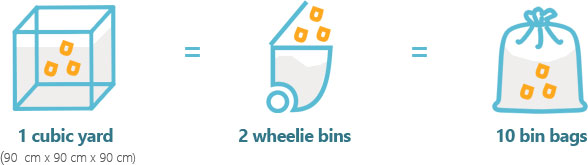 Commercial Waste Wanstead takes a proactive stance on creating an eco-friendly waste disposal area that serves local businesses, shops and community venues. Our approach to managing commercial rubbish Wanstead-wide emphasises source separation, reuse and circularity, reflecting the borough's focus on separate food, glass and mixed recycling streams. By aligning with local policy and practical on-the-ground operations, we work to turn commercial waste in Wanstead from a cost centre into a resource.
The programme is built around clear targets and measurable progress. We have set a recycling percentage target of 70% diversion of recyclable material by 2030 for the business sector — a stretch goal that encourages continuous improvement across retail, hospitality and light industrial customers. To reach this, we combine staff training, tailored collection schedules and reporting tools so each site can monitor performance and reduce its landfill-bound waste.
 Practical operations are supported by nearby infrastructure and partnerships. Collections are routed to local transfer stations such as Beckton and nearby Ilford/Leytonstone transfer facilities that specialise in commercial loads and bulky items. Using these transfer hubs reduces secondary transport emissions by consolidating loads, while ensuring materials enter the right processing streams for glass, paper, card, metals, food waste and residuals.
Sustainable Rubbish Area Practices and Local Recycling Activity
In Wanstead and adjacent boroughs the prevailing model emphasises kerbside-style separation applied to commercial locations: separate containers for organics, a dry mixed recycling stream for cans and plastics, and dedicated glass and paper banks where space allows. We support businesses with clear signage, container provision and waste audits that provide actionable recommendations (e.g., switching to bulk packaging or segregating hard-to-recycle materials).
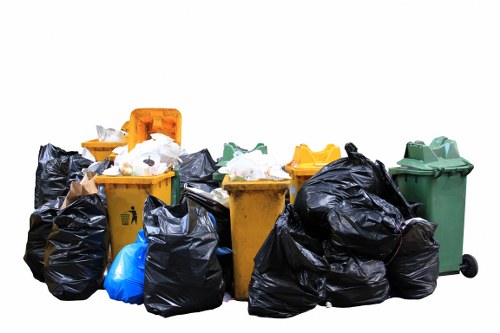 To make recycling activity visible, we work with property managers to create labelled sustainable rubbish areas behind shops and in business parks. These areas are set up with lockable cages for cardboard, secure boxes for WEEE (small electricals), and compactors for high-volume cardboard and plastic film. The layout reduces contamination and improves the yield of clean recyclables that then move to materials recovery facilities.
We also provide bespoke services for specific commercial streams: construction and demolition arisings are segregated into soils, wood and metals; food and catering businesses can receive sealed food-waste caddies and collections; offices are supported to collect confidential paper and mixed recycling separately. These targeted recycling activities are tailored to local needs and to the boroughs' approach to waste separation.
Partnerships, Fleet and Community Reuse
Partnerships with charities and reuse organisations form a key pillar of our sustainability work. We collaborate with local charities and social enterprises, including donation routes to reuse groups, furniture redistribution schemes and the British Heart Foundation for electronics and textiles where appropriate. Donatable items are diverted from the waste stream and given a second life, reducing environmental impact while supporting community causes.
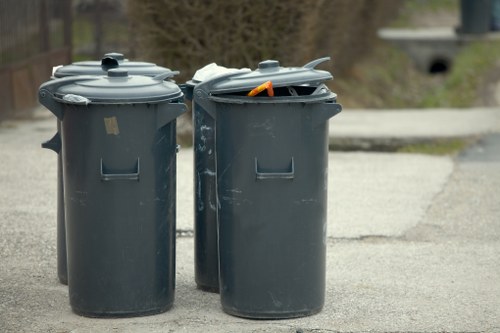 Our collection fleet is being modernised to lower carbon emissions. We operate low-carbon vans — a mix of fully electric and hybrid vehicles — alongside route-optimisation software and driver training to minimise mileage and idling. This low-carbon vans strategy not only reduces CO2 but also lowers noise and local air pollution around the eco-friendly waste disposal area and in high-street locations.
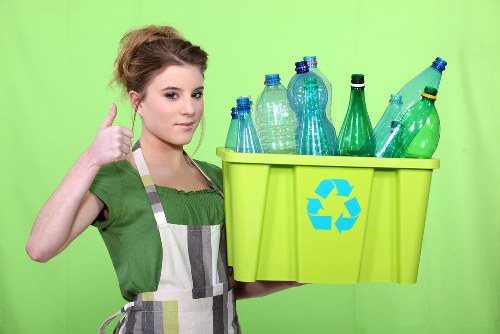 We also maintain a network of approved contractors and transfer partners committed to sustainability standards, ensuring materials delivered to transfer stations are handled responsibly. Regular audits and data-sharing agreements help track the journey of recyclables from collection point to end-market and improve transparency for customers seeking to report on their environmental performance.
Operational Tools and Business Support
To reach our recycling percentage target and foster a truly sustainable rubbish area, we offer a combination of operational tools and support services:
- Waste reduction plans tailored to each business type
- Container leasing with clear, washable signage
- Monthly diversion reports linked to invoices
- Access to local transfer stations and specialised processing
Education is central: short staff briefings and simple do-and-don't materials reduce contamination and increase recycling rates. For multi-tenant premises we provide communal waste area designs and schedules that synchronise collections to reduce parked vehicle impact and free up kerbside space.
Commercial waste in Wanstead benefits from the layered approach: clear targets, infrastructure access, charitable partnerships and a low-emission collection fleet. By integrating these elements, the service supports local businesses in meeting both environmental responsibilities and operational needs while contributing to borough-wide sustainability aims.
Measuring Success and Next Steps
We measure progress through monthly recycling metrics, contamination rates and reductions in residual tonnage. Our short-term objective is to hit a 50% recycling rate within two years and to progress to the 70% target by 2030. Success is driven by collaborative problem-solving with businesses and transfer stations, and by expanding charity partnerships to capture more reusable material.
Longer-term, we will continue to expand the low-carbon vans fleet, trial cargo bikes for town-centre collections and explore on-site compaction and baling for high-volume recyclables. These operational steps create a resilient eco-system for sustainable rubbish area management and position Wanstead commercial waste services as a model for neighbouring districts.
By combining practical local recycling activity, robust reuse partnerships, access to transfer stations and a greener fleet, the programme supports measurable improvement in waste performance while helping local businesses reduce costs and environmental impact. Together, stakeholders can advance a cleaner, more sustainable future for commercial waste management across Wanstead and beyond.
