Health and Safety Policy — Commercial Waste Wanstead Services
 This Health and Safety Policy sets out the approach taken by our company to manage risks associated with commercial waste collection and rubbish removal across our service area. The policy applies to all staff, contractors and sub-contractors engaged in the provision of commercial waste services for businesses and organisations. It outlines responsibilities, core objectives and key controls to ensure safe operation of commercial waste collection Wanstead activities and related site work.
Our commitment is to maintain a safe working environment, to prevent injury and ill-health, and to comply with applicable health and safety obligations. The policy is intended to be practical and proportionate; it focuses on risk control measures for waste handling, vehicle operations, bin lifting, safe manual handling, segregation of hazardous materials and incident response. All personnel are expected to be familiar with and follow this policy, and managers will support implementation through supervision, resources and recorded training.
 Scope: This policy covers commercial rubbish Wanstead operations including collection rounds, transfer station activity, on-site waste container servicing and any ancillary tasks. It also includes workplace welfare, vehicle and plant maintenance standards, and waste containment arrangements. The purpose is to protect employees, visitors and affected third parties and to provide a clear framework for safe decision-making and continuous improvement.
Responsibilities and Organisation
Management holds overall responsibility for ensuring that systems are in place to manage health, safety and environmental risks. Line managers are responsible for risk assessments, safe work method statements and ensuring that staff have suitable instruction, supervision and competence. Employees have a duty to take reasonable care for their own health and safety and that of others, to report hazards, near misses and incidents promptly, and to use assigned protective equipment.
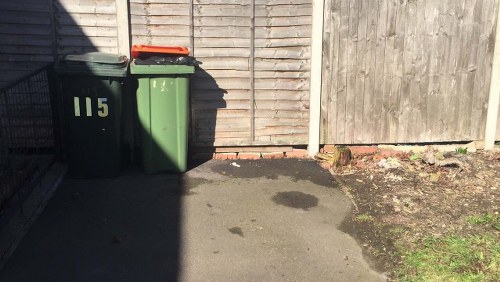 Risk assessments will be conducted for all routine and non-routine tasks. The assessments must address vehicle movements, site access, lifting operations, handling of sharps and suspected hazardous waste, working at height when servicing tall containers, and the control of dust and biohazards. Controls include engineering measures, safe systems of work, administrative controls and appropriate personal protective equipment (PPE). Records of assessments and reviews will be retained and updated when operations change.
Training and competence: Employees will receive induction training, job-specific instruction and periodic refresher training. Training covers manual handling, vehicle safety, loading and securement of loads, safe operation of lifting equipment and emergency procedures. Supervisors will verify competence and maintain training records. Contractors must demonstrate equivalent competence and compliance before being permitted to work on behalf of the company.
Operational Controls and Safe Systems
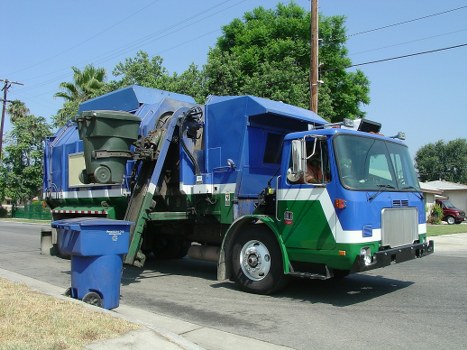 Safe systems of work for commercial waste collection Wanstead include pre-start vehicle checks, designated loading procedures, two-person handling where required and exclusion zones during lifting operations. Vehicles and plant will be maintained to manufacturer standards and inspected according to a documented schedule. Fuel, battery and electrical safety procedures are in place to reduce fire and spill risk.
Specific controls for rubbish removal Wanstead tasks include segregation of recyclable and non-recyclable materials, clear labelling of hazardous or clinical wastes and secure containment to avoid spillage during transit. Any discovery of hazardous substances or suspect fly-tipped materials must be reported and managed in accordance with statutory obligations and waste transfer documentation procedures.
Emergency response and incident reporting: A formal incident reporting process is in place to ensure timely investigation, corrective actions and learning. First aid provision, emergency contact arrangements and spill response kits are maintained. Fire safety arrangements include vehicle fire-fighting equipment and evacuation procedures for depots and transfer areas.
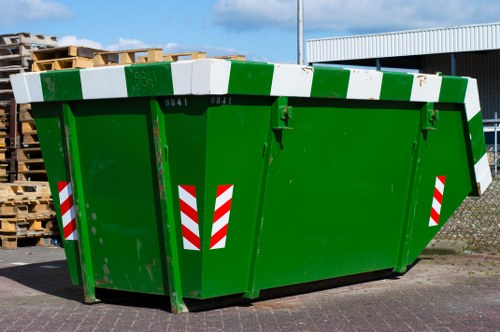 Monitoring, review and continual improvement form an essential part of this policy. Performance is measured through key indicators such as incident rates, near-miss reporting frequency, vehicle defect trends and audit outcomes. Regular safety audits and management reviews will evaluate compliance and effectiveness. Where deficiencies are identified, corrective actions will be implemented with clear ownership and deadlines.
The company will engage with employees and safety representatives to encourage open reporting and participation in safety initiatives. Risk controls will be reviewed following incidents, changes in legislation, introduction of new equipment or processes, and feedback from operations. Contractors and partners will be required to cooperate with audits and demonstrate ongoing compliance with this policy.
Policy governance: This document represents the company's formal position on health and safety for commercial waste management activities. It will be reviewed at defined intervals and updated as necessary to reflect operational changes or legislative updates. All personnel are required to read and comply with the policy; breaches may result in disciplinary action where appropriate. The policy supports our objective to provide safe, reliable and responsible commercial waste services while protecting people and the environment.
- Key commitments: Continuous risk assessment, training and competence assurance.
- Core controls: Proper segregation, maintained vehicles, safe lifting and PPE usage.
- Governance: Monitoring, audits and documented review cycles.
End of policy statement.
